
An Auto Collision Center Shares How Often You Should Have Your Vehicle Checked
Most drivers pay attention to their vehicle only when something goes visibly or audibly wrong, and by that point the issue has typically been developing for far longer than it needed to. Proactive vehicle care is one of the most financially and practically sound habits a driver can develop, reducing the likelihood of both everyday breakdowns and the kind of post-accident damage that compounds when structural problems go unaddressed. The expertise that collision and auto body professionals develop over decades of repairing vehicles after accidents gives them a unique perspective on the types of damage and wear that accumulate silently until a significant problem becomes unavoidable. Understanding how often different aspects of your vehicle should be professionally checked gives every driver in the Santee and El Cajon area a practical framework for more responsible and more cost-effective vehicle ownership.
Checking Frame and Alignment on a Regular Schedule
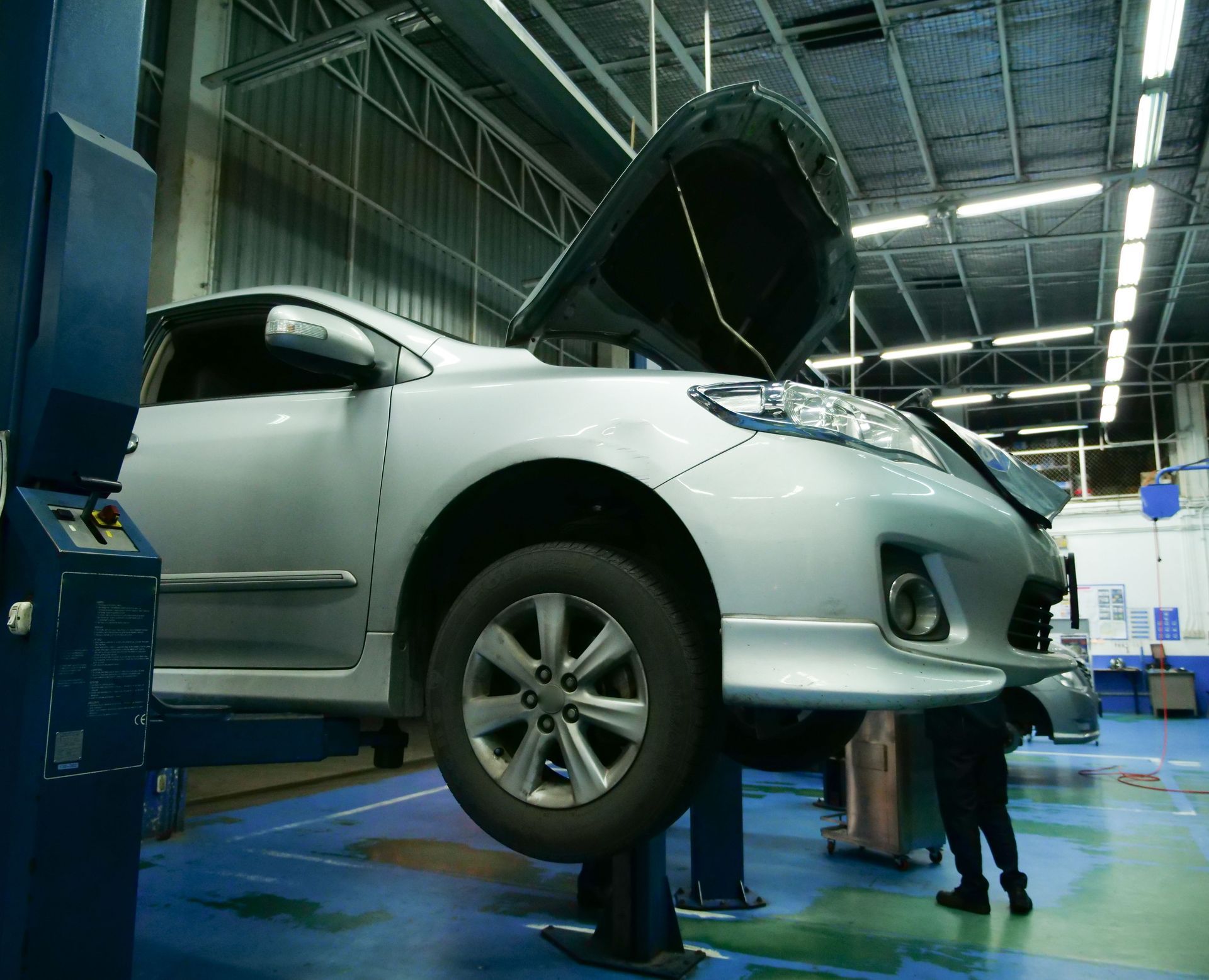
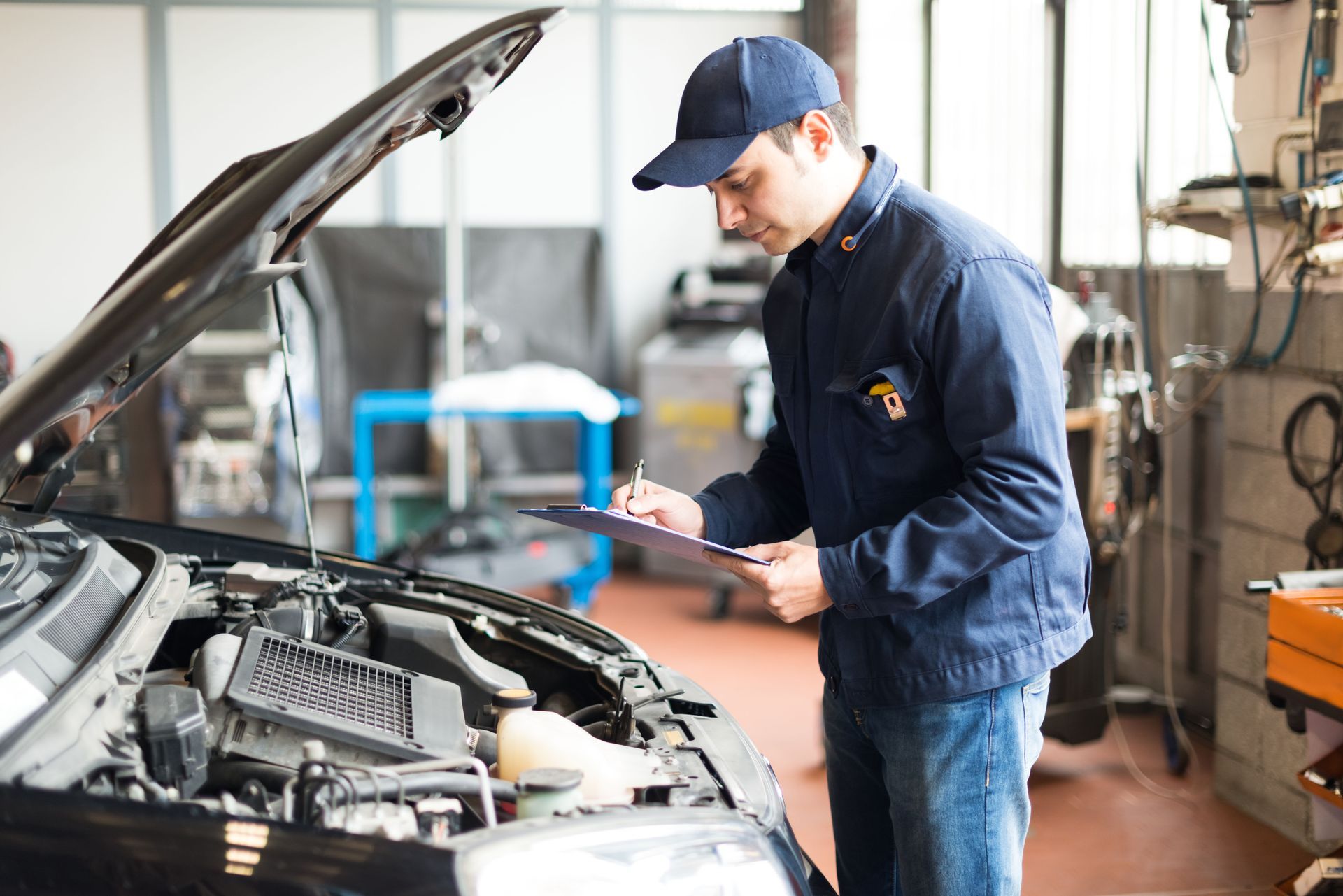
According to John Bean, it is typically recommended to have an alignment check every six months or every 6,000 to 10,000 miles, whichever comes first, which gives drivers a clear and actionable baseline for how often this critical aspect of vehicle safety and tire longevity should be professionally evaluated. An auto collision center that performs frame and alignment services understands better than most providers how frequently subtle alignment issues develop from normal road use, minor curb impacts, and pothole encounters that leave no visible damage on the vehicle's exterior but that shift the geometry of the suspension and steering system in ways that cause premature tire wear and handling changes over time. Drivers who follow the recommended alignment check interval consistently protect their tires, improve their fuel economy, and maintain the handling precision that keeps the vehicle behaving predictably in every driving condition they encounter throughout daily use in the greater San Diego area.
Inspecting Auto Body Condition After Every Minor Impact
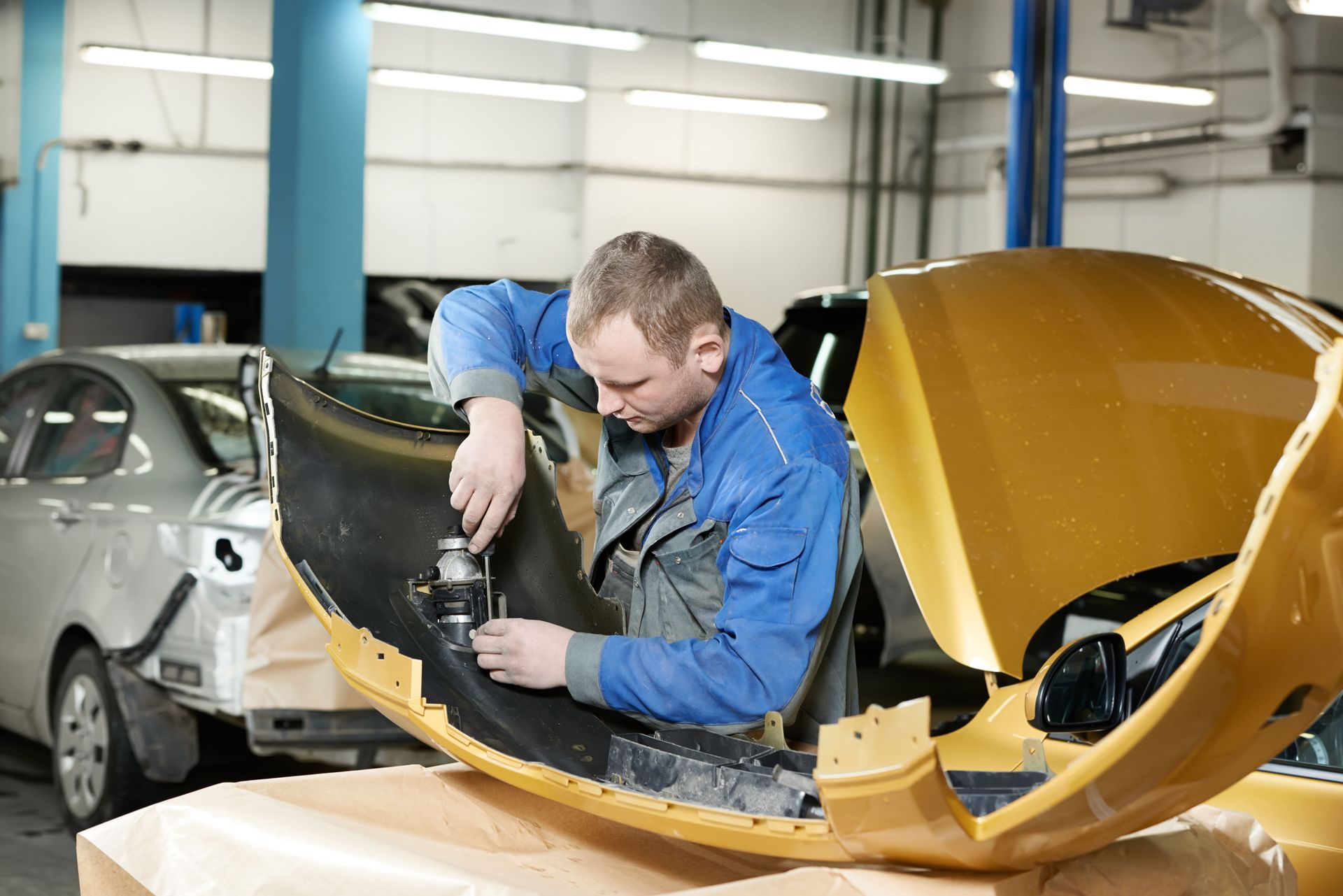
Many drivers experience small scrapes, minor parking lot impacts, or low-speed fender contacts and choose to ignore them because the visible damage appears cosmetically minor, not realizing that the energy absorbed by body panels in even a small collision can cause deformation, paint cracking, and moisture infiltration that progress significantly if left unaddressed for an extended period. An auto collision center that handles auto body repair evaluates not just the surface appearance of the impact but also the underlying structure of the panel and the substrate beneath the paint to determine whether damage extends beyond what is immediately visible from the exterior of the vehicle. Addressing minor body damage promptly costs far less than addressing the rust, moisture damage, and structural complications that develop when small impacts are left unrepaired through multiple wet seasons and the thermal cycling that California's climate creates for vehicles parked outdoors throughout the year.
Scheduling Paint Inspections to Catch Deterioration Early
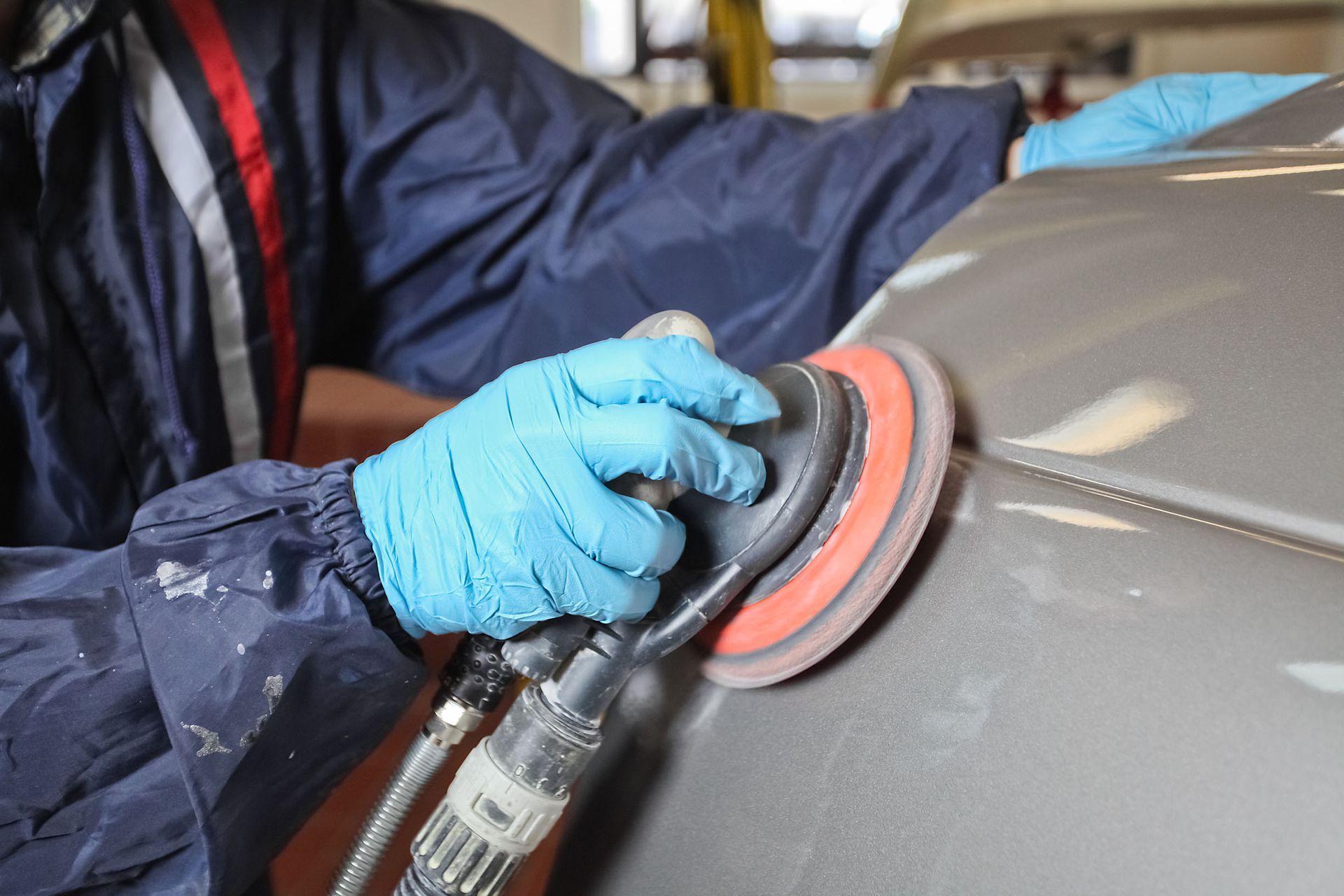
The paint protecting your vehicle's exterior is the first line of defense against rust, UV degradation, and the corrosive environmental contaminants that vehicles encounter in daily driving, and professional paint inspection allows trained technicians to identify the hairline cracks, chips, and clear coat failures that become significantly more problematic if they are not addressed before moisture penetrates through them to the metal beneath. An auto collision center specializing in auto paint and paint repairs can evaluate the condition of the paint throughout the vehicle, recommend targeted paint repairs for isolated damage, and advise on whether any areas of concern are approaching the point where more comprehensive refinishing will be necessary to protect the integrity of the panels beneath the failing finish. Drivers who schedule professional paint evaluations as part of their regular vehicle care routine consistently avoid the expensive outcomes that develop when small paint failures are ignored until they expand into panel-wide rust and corrosion that requires far more extensive and far more costly professional remediation.
Assessing Collision Repair Quality After Any Accident
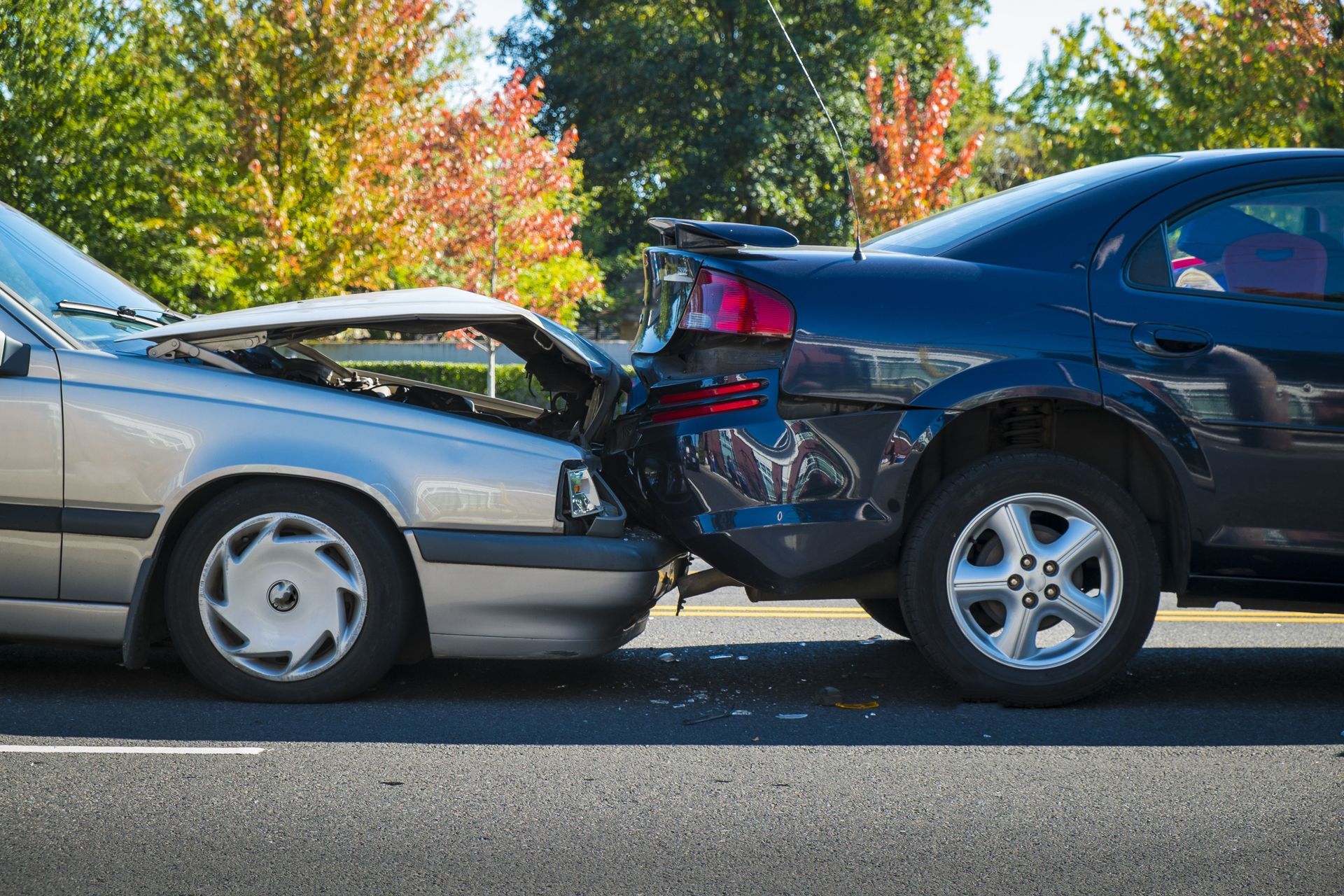
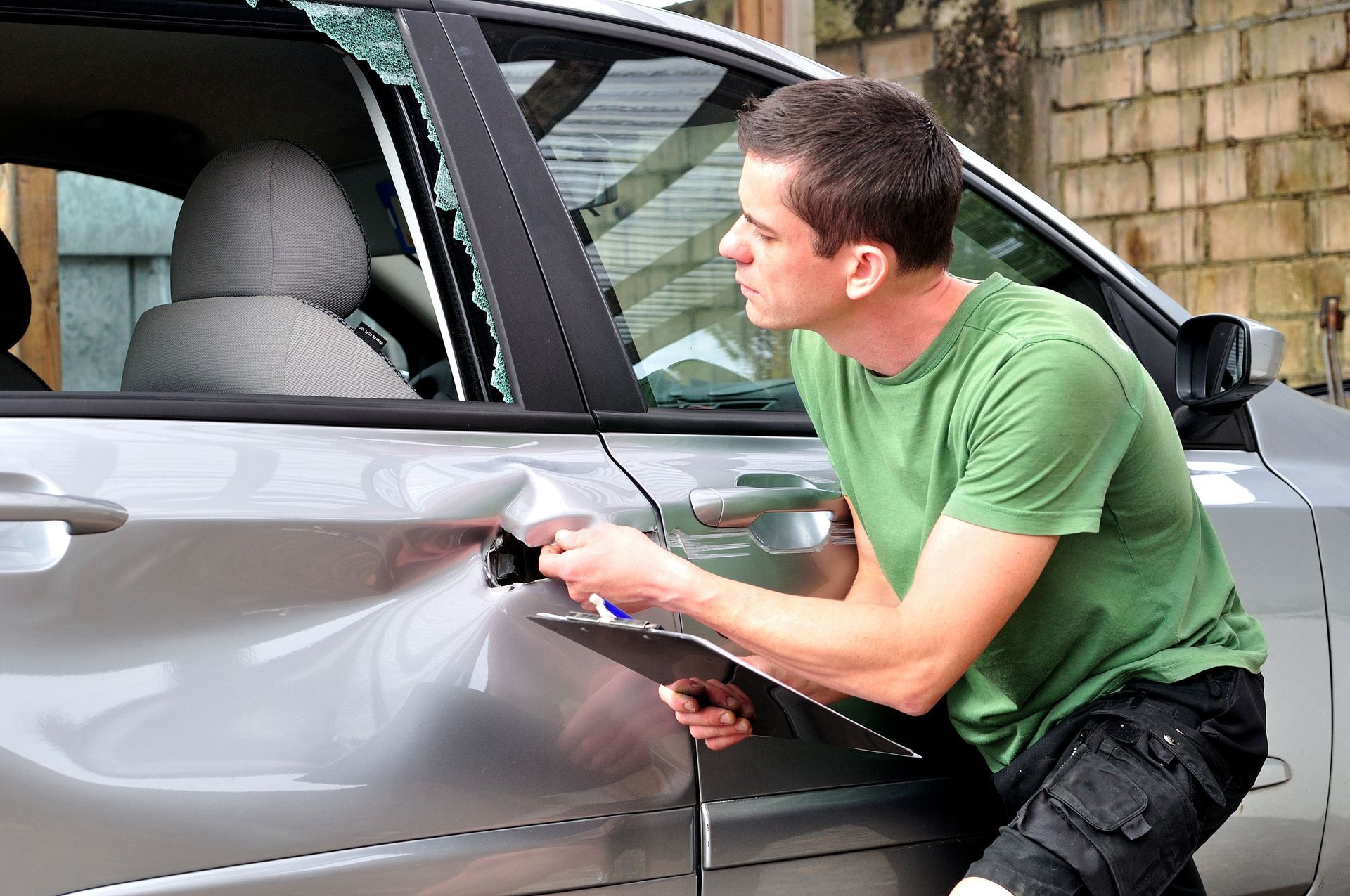
Following any collision — regardless of how minor the impact appeared — drivers should have the vehicle professionally evaluated to confirm that all structural components, safety systems, and cosmetic elements were affected only to the extent visible from the exterior rather than to a deeper level that is not apparent from a casual inspection of the vehicle's surface after the incident. An auto collision center with I-CAR and ASE-certified technicians uses diagnostic equipment and structural measurement tools to evaluate whether the vehicle's frame, crumple zones, and safety-critical systems are in the post-collision condition that the vehicle's design specifications require for occupant protection during any subsequent collision that might occur before the damage from the first impact has been professionally corrected. Insurance claims assistance provided during the evaluation helps drivers navigate the documentation and approval process that determines what repair scope will be covered, which is particularly important when post-collision inspection reveals damage that is more extensive than what was apparent in the immediate aftermath of the accident.
Examining RV Condition Before and After Travel Seasons
Recreational vehicles present a unique set of inspection needs because their combination of size, weight, and year-round exposure to changing weather and road conditions creates structural and cosmetic wear patterns that differ significantly from those that develop on standard passenger cars and trucks driven in normal daily commuting environments. An auto collision center that provides RV repair services recommends having RVs inspected for body damage, paint deterioration, and structural integrity before and after each active travel season, because the specific stresses that long-distance travel on varied road surfaces places on an RV's structure can accelerate damage progression in ways that shorter, more frequent trips in a passenger vehicle do not typically produce. Addressing RV body damage and paint issues at the end of each travel season rather than deferring inspection until the next season begins gives owners the longest possible repair and restoration window before the vehicle needs to be road-ready again.
Evaluating the Vehicle's Condition Before a Major Purchase or Sale
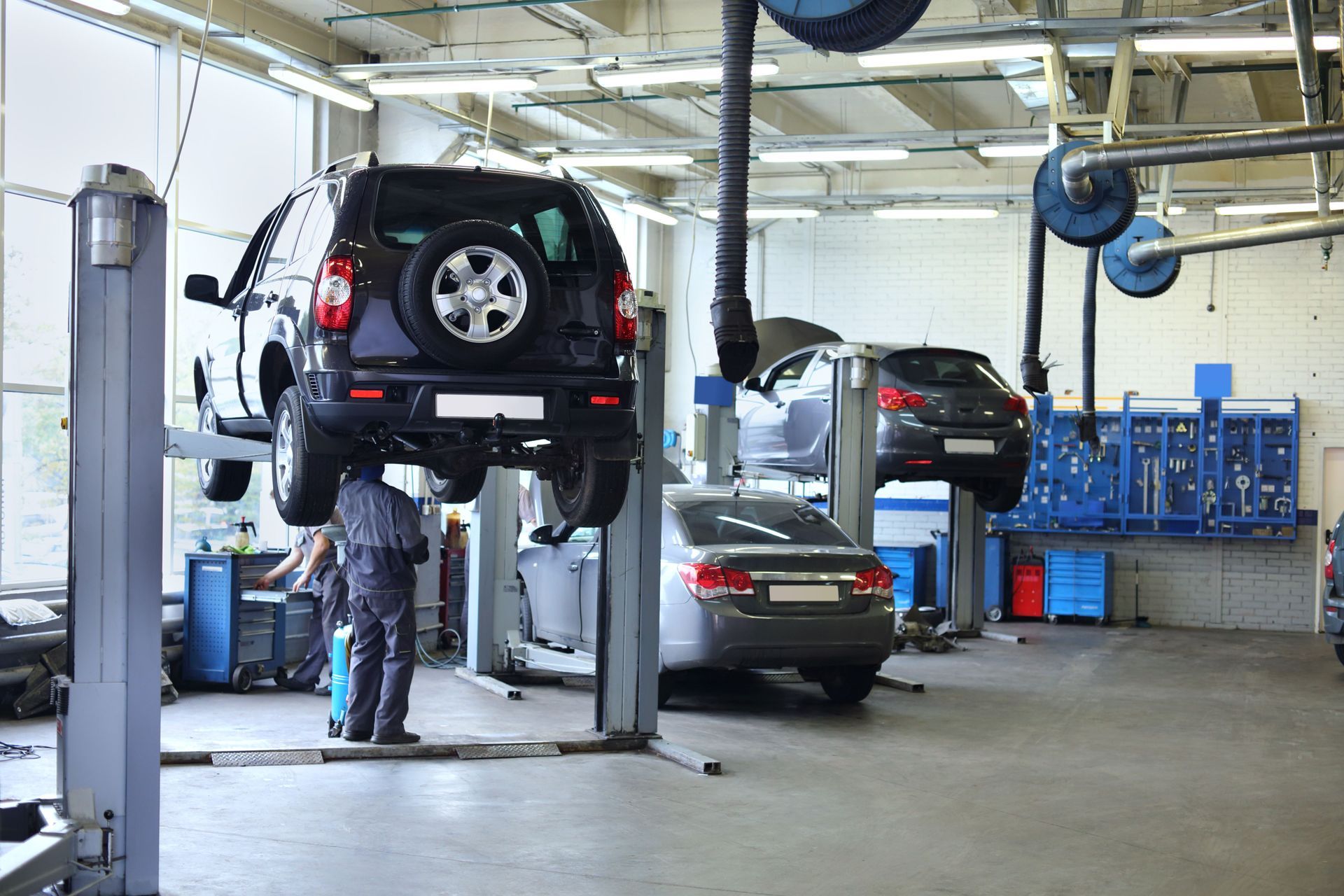
Drivers who are considering purchasing a used vehicle would benefit significantly from having an auto collision center perform an inspection before finalizing any transaction, because trained body and frame technicians can identify signs of previous collision repair, improperly repaired structural damage, and paint inconsistencies that indicate the vehicle has been in an accident that may not be fully disclosed in the available history documentation. A collision center that performs pre-purchase inspections gives buyers access to a professional evaluation of the body, frame, paint, and structural alignment that complements any mechanical inspection the buyer may have already scheduled, creating a more complete picture of the vehicle's true condition before any money is committed to the acquisition. Sellers who have their vehicles professionally inspected and any identified issues addressed before listing them for sale consistently receive stronger offers and encounter fewer negotiation challenges than those who present vehicles with unaddressed body damage and paint deterioration that informed buyers immediately and accurately identify as evidence of deferred maintenance.
The most effective vehicle care strategy combines regular professional evaluations with prompt attention to any collision, impact, or cosmetic damage that occurs between scheduled inspection intervals, creating a continuous loop of proactive attention that keeps the vehicle in the safest, best-looking, and most financially protected condition possible throughout its useful life. Lloyd's Collision and Paint Center has proudly served drivers throughout Santee, El Cajon, and the surrounding San Diego area since 1984 as a family-owned and locally operated auto collision center offering collision repair, auto body, auto paint, paint repairs, frame and alignment, and RV repair services, all backed by I-CAR and ASE-certified technicians, a limited lifetime warranty, no-interest financing options, free estimates, insurance claim assistance, rental cars available, senior and military discounts, bilingual Spanish-speaking service, and customer shuttle service to and from work or home. For more information, contact us today!
Share On: