From Impact to Restoration: The Role of a Professional Auto Collision Center
A vehicle collision can disrupt daily life in an instant. Beyond the visible dents and broken parts, impact damage may affect structural components, safety systems, alignment, paint, electronics, and overall performance. Even a minor accident can create hidden issues that are difficult to identify without professional equipment and training. Restoring the vehicle properly requires more than cosmetic repairs. It calls for a careful process that evaluates the full extent of the damage, follows manufacturer standards, and returns the vehicle to safe operating condition.
A professional auto collision center plays a central role in that process. From the initial inspection to final quality checks, trained technicians coordinate each stage of repair while keeping safety, appearance, and reliability in focus. Understanding what happens after a collision can help drivers make informed decisions, communicate with insurers, and recognize the value of qualified repair work.
Assessing the Full Extent of Damage
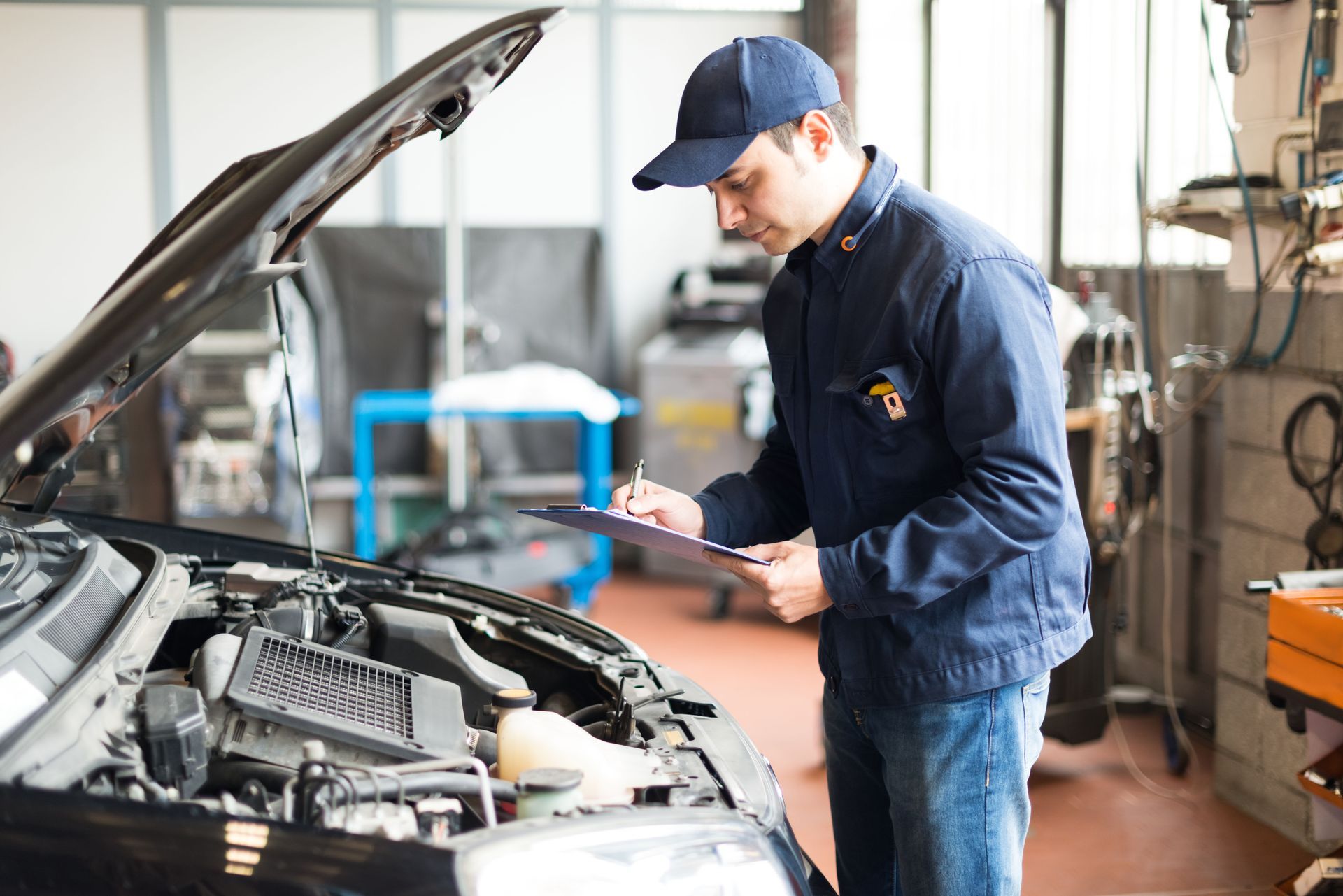
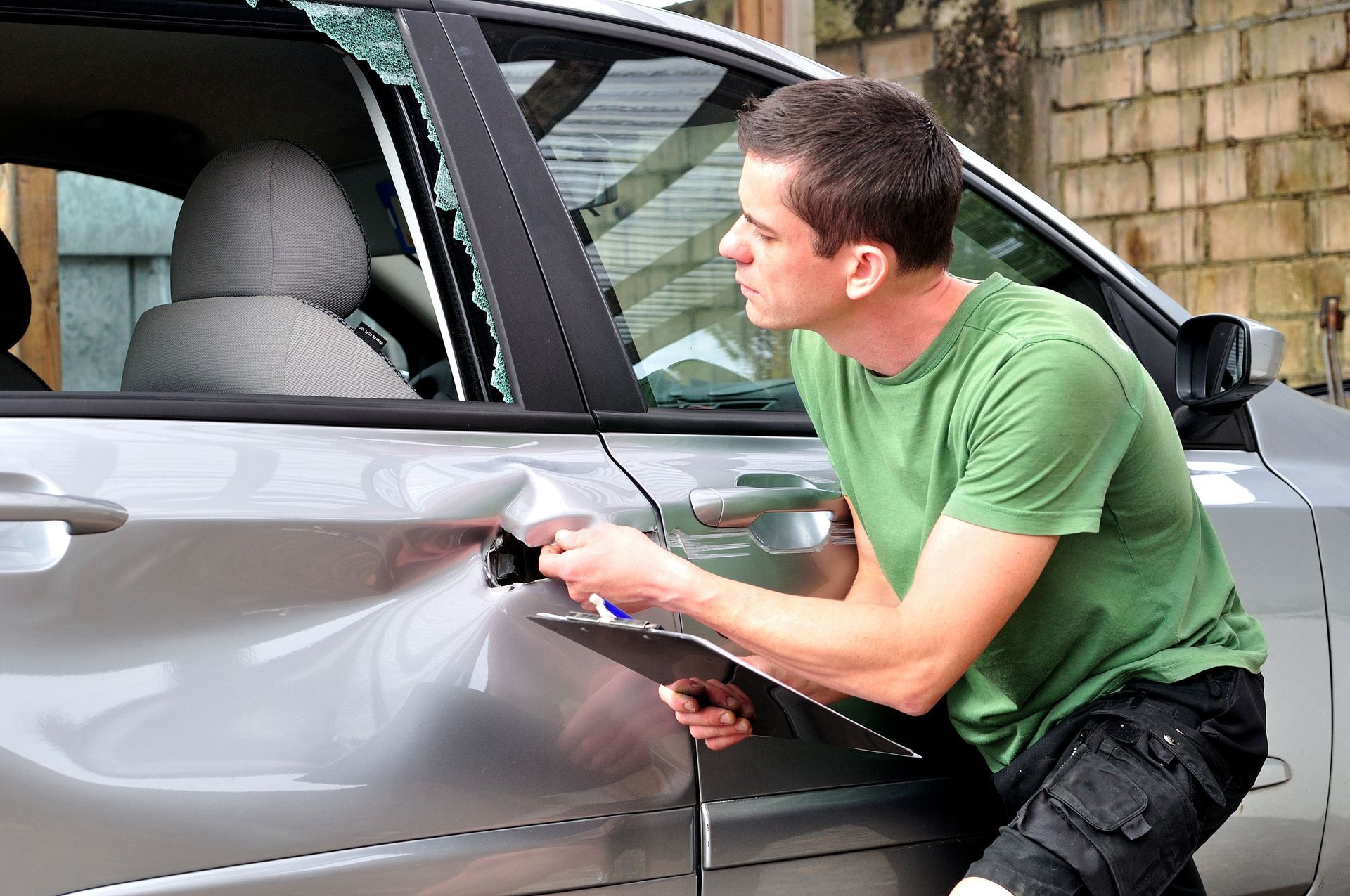
The repair process begins with a thorough inspection. Technicians examine the exterior, underbody, frame, suspension, glass, lighting, and other visible components for signs of damage. They may also scan the vehicle’s electronic systems to identify diagnostic trouble codes or safety features that need attention. This first evaluation creates a clearer picture of what was affected and helps the repair team develop an accurate plan.
Not all collision damage is immediately visible. A bumper cover may appear to have only a small crack while the reinforcement bar, mounting points, or sensors behind it have been compromised. According to Forbes, over 20% of vehicle collisions involve stationary objects such as poles, shrubbery, or parked cars. These impacts can create concentrated damage in one area, making a detailed inspection at an auto collision center especially important before repairs begin.
Documenting the Required Repair Work
After the inspection, the repair facility prepares an estimate that outlines the labor, replacement parts, materials, and procedures required. This document may include body repairs, refinishing, mechanical work, structural measurements, scanning, calibration, and other services. A detailed estimate helps drivers understand the scope of the project and gives the insurance company the information needed to review the claim.
Additional damage may sometimes be discovered after panels or trim are removed. When that happens, the auto collision center can prepare a supplement that explains the newly identified work. Clear documentation supports communication among the driver, repair team, and insurer. It also reduces confusion by showing why certain procedures, parts, or added labor are necessary to complete the repair properly.
Coordinating With Insurance Providers
Insurance claims can involve several steps, including inspections, estimates, approvals, rental arrangements, and payment coordination. A professional repair facility often helps streamline this process by communicating directly with the insurance adjuster. The team may submit photographs, estimates, supplements, invoices, and repair updates so that the claim can move forward with fewer delays.
Drivers still have an important role in the process and should review their coverage, deductible, and policy limitations. They should also understand that they generally have the right to select the repair facility they prefer. A knowledgeable shop can explain the repair plan without speaking for the insurance company. This balance helps the customer remain informed while allowing experienced professionals to manage the technical details of the claim.
Restoring Structural Strength and Alignment
Structural repairs are among the most important services performed after a serious impact. Modern vehicles are designed with crumple zones, high-strength steel, aluminum components, and carefully engineered load paths that help manage collision forces. If these areas are bent or shifted, the vehicle may not respond as intended in another accident. Proper repairs require precise measurements and procedures that match manufacturer specifications.
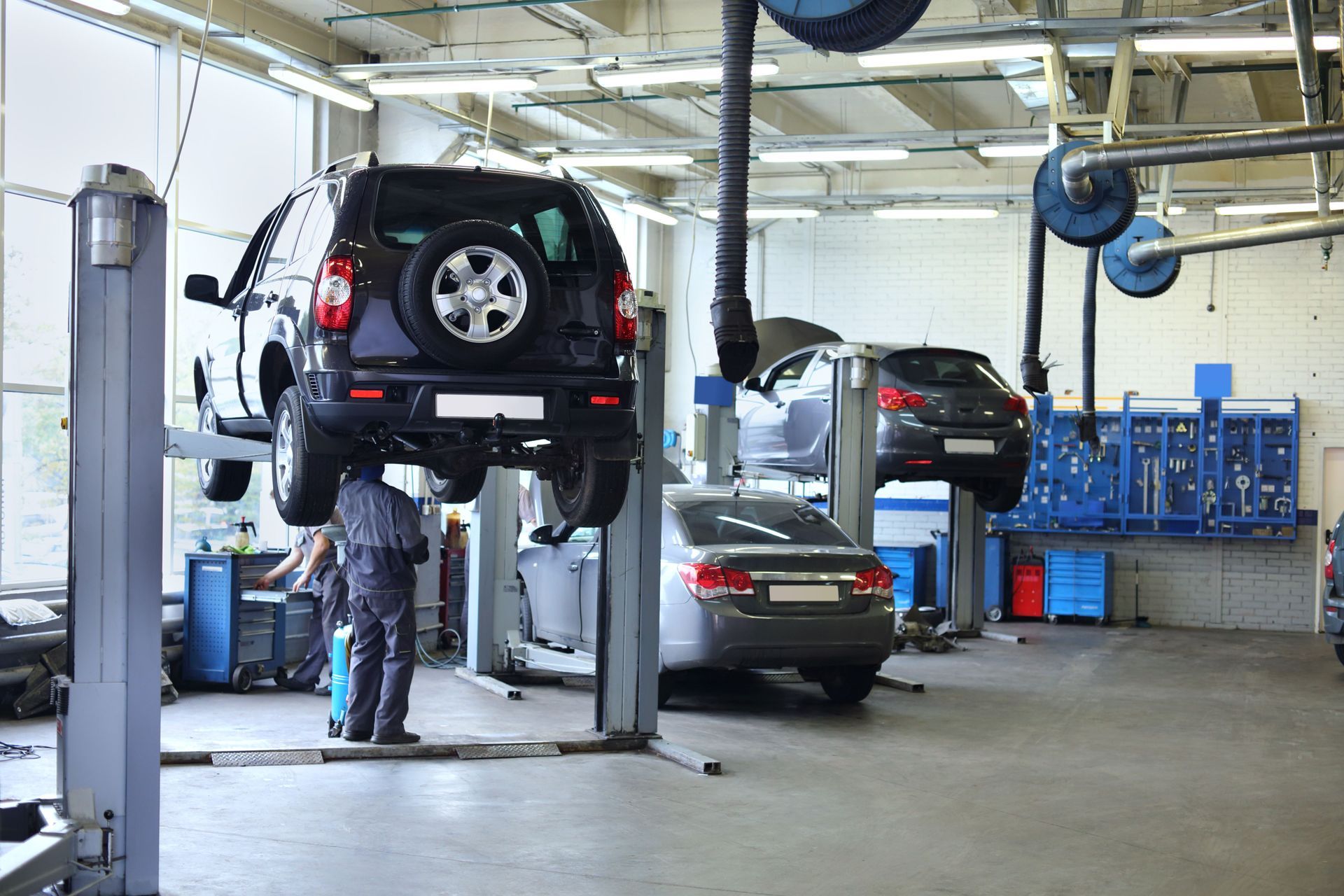
Technicians may use computerized measuring systems, frame equipment, and specialized welding or joining methods to restore damaged areas. They also check suspension geometry, wheel alignment, panel gaps, and mounting points. A qualified auto collision center understands that structural accuracy affects more than appearance. It influences handling, tire wear, door operation, sensor placement, and the vehicle’s ability to protect occupants.
Repairing or Replacing Damaged Components
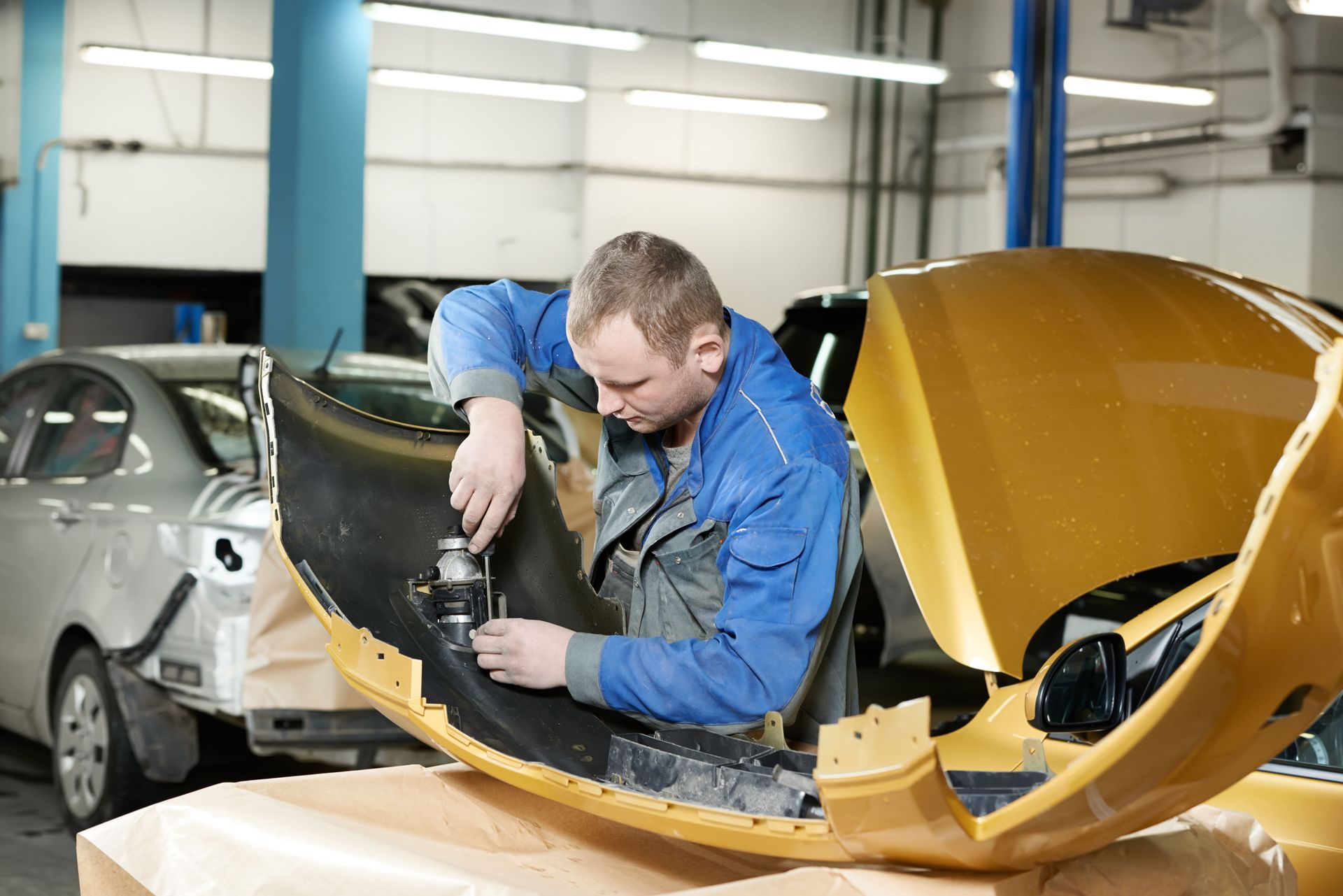
Once the structure is addressed, technicians repair or replace damaged exterior and mechanical components. Depending on the condition of the vehicle, this may include doors, fenders, quarter panels, bumpers, hoods, mirrors, headlights, wheels, cooling parts, suspension pieces, or exhaust components. The repair team must determine which parts can be restored safely and which should be replaced.
Part selection can involve original equipment manufacturer parts, recycled original parts, aftermarket components, or other options allowed by the repair plan and insurance policy. Each choice may differ in fit, availability, cost, and warranty coverage. A reputable facility should explain the parts being used and how they relate to the vehicle’s repair requirements. Accurate installation helps restore proper fit, function, and long-term durability.
Matching Paint and Refinishing Surfaces
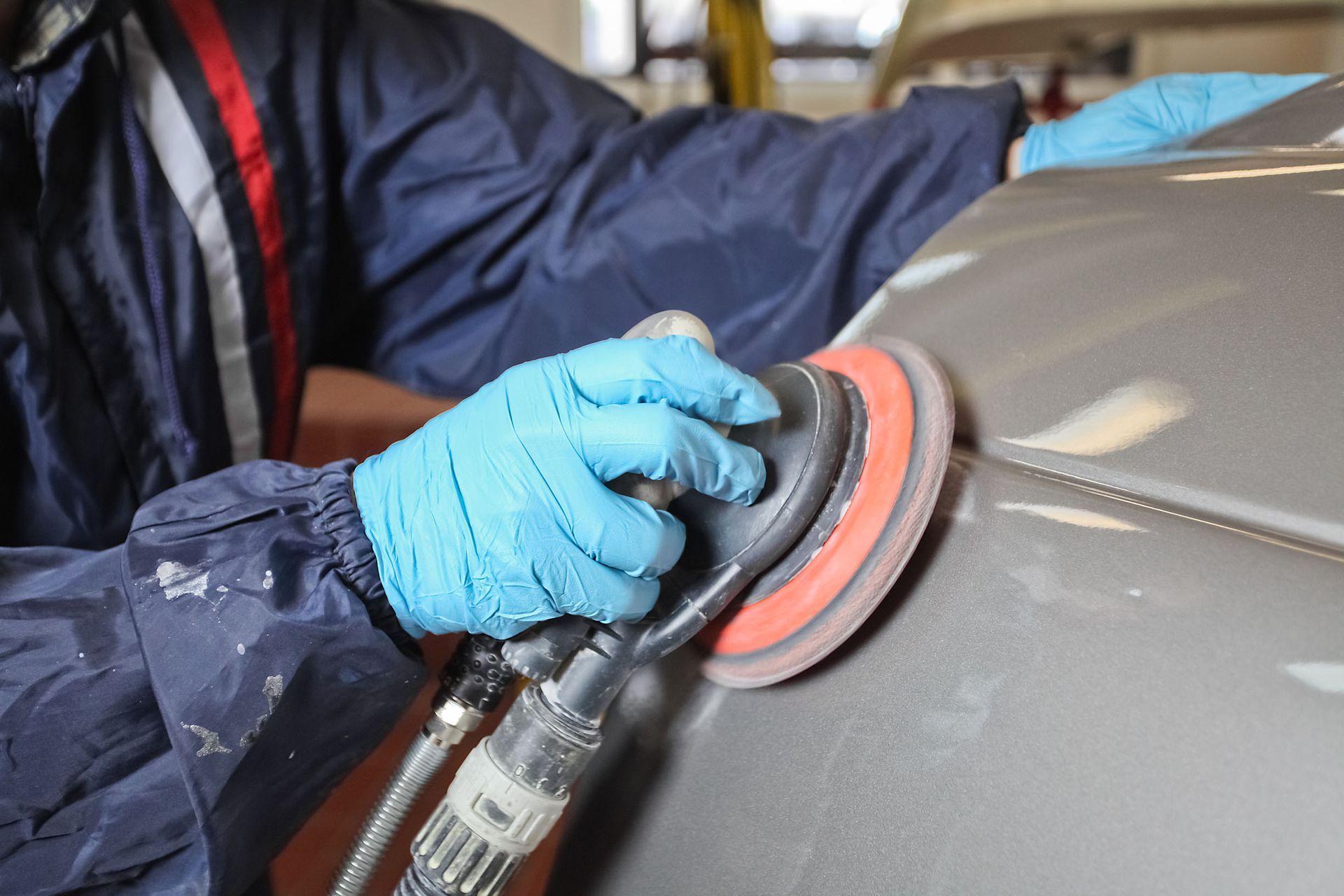
Paintwork is a technical part of collision restoration. Even when a vehicle has a factory color code, age, sunlight, weather, previous repairs, and normal wear can change how the finish appears. Technicians use color-matching tools, spray-out cards, and blending techniques to create a consistent result across repaired and adjacent panels. Careful preparation is essential because surface imperfections can remain visible beneath the final coating.
The refinishing process may include sanding, cleaning, priming, sealing, applying basecoat, adding clearcoat, and curing the finish. Controlled paint booths help reduce dust and support proper temperature and airflow. A professional auto collision center also considers gloss, texture, and color transition, not just the basic shade. These details help the repaired area blend naturally with the rest of the vehicle.
Recalibrating Advanced Safety Systems
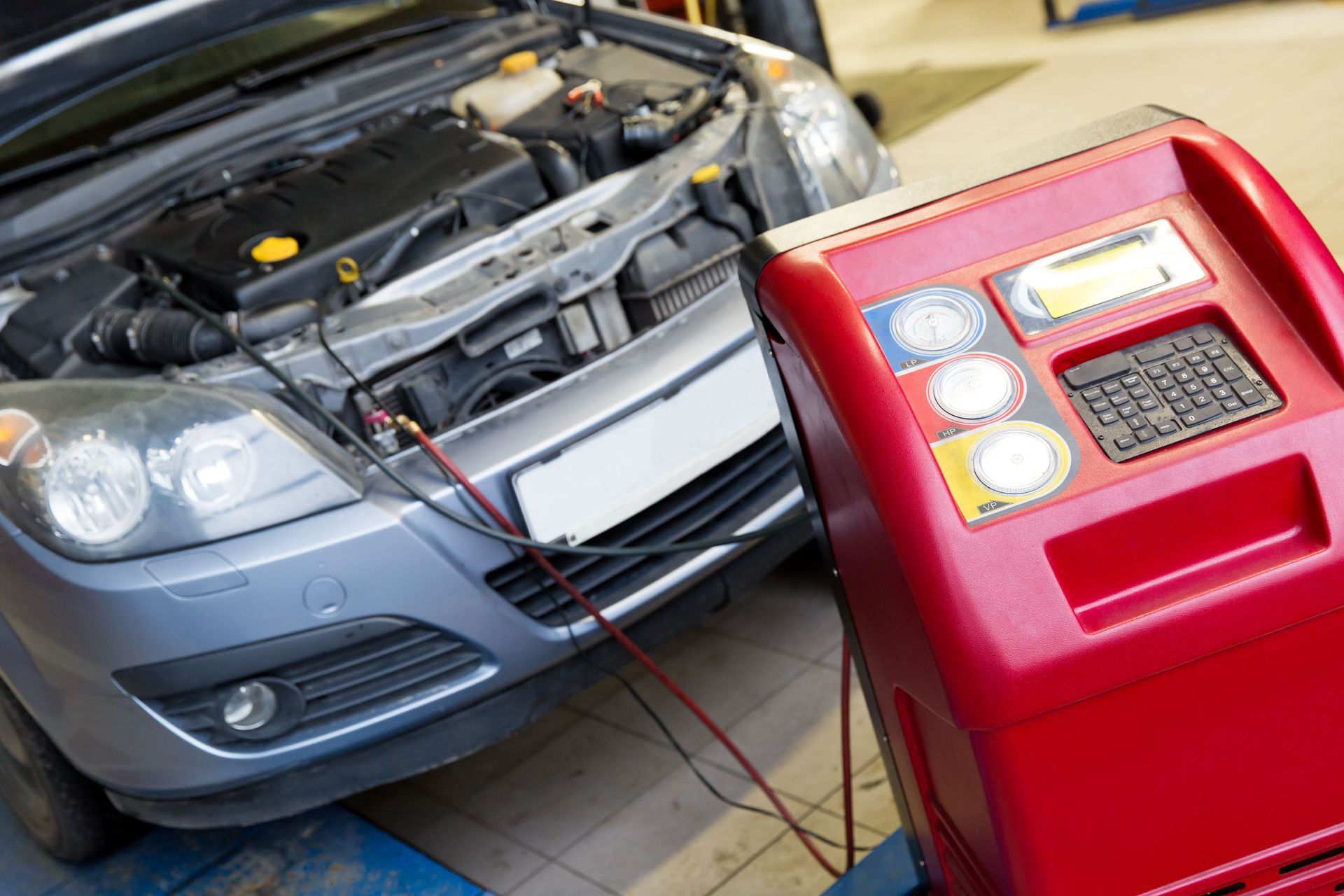
Many newer vehicles include advanced driver-assistance systems that rely on cameras, radar, ultrasonic sensors, and other electronic components. These systems may support lane departure warnings, adaptive cruise control, blind-spot monitoring, parking assistance, forward collision alerts, and automatic emergency braking. Even a small shift in sensor position can affect how accurately the technology reads the road.
Collision repairs may require static or dynamic calibration after windshields, bumpers, mirrors, suspension parts, or structural components are replaced. Technicians must follow the correct procedures and confirm that the system communicates properly. Some repairs also require pre-repair and post-repair scans. Completing these steps helps return important safety features to their intended operating condition.
Checking Mechanical and Electrical Performance
A collision can affect systems beyond the body and frame. Cooling components may leak, wiring can become pinched, batteries may be damaged, and warning lights can appear after impact. Suspension or steering problems may also develop even when the vehicle remains drivable. A complete repair process includes checking these systems rather than focusing only on visible damage.
Technicians may perform road tests, leak inspections, alignment checks, diagnostic scans, and functional tests for lights, windows, locks, cameras, sensors, and climate controls. The auto collision center should address any repair-related concerns before returning the vehicle. These checks help confirm that the vehicle operates normally and that overlooked problems do not create inconvenience or additional damage later.
Completing Final Quality-Control Inspections
Before delivery, the repair team reviews the completed work. Quality-control inspections may examine panel alignment, paint finish, trim installation, warning lights, fluid levels, wheel alignment, interior cleanliness, and the operation of repaired systems. The team may compare the finished vehicle with the original estimate and repair plan to verify that all approved procedures were completed.
The customer should also receive an explanation of the repairs, parts, warranties, and any recommended follow-up. Reviewing the vehicle in good lighting can help the driver understand the completed work and ask questions before leaving. A careful final inspection reflects the facility’s commitment to workmanship and gives the customer greater confidence when returning to the road.
Collision repair is a detailed process that brings together structural work, mechanical knowledge, refinishing skill, electronic diagnostics, safety-system calibration, and careful communication. Choosing the right auto collision center can help drivers move from the uncertainty of an accident toward a safe, dependable, and professional restoration. For experienced collision repair and paint services, contact Lloyd's Collision & Paint Center.
Share On: