
Why ADAS Sensor Calibration Is Essential After Collisions
As we navigate the age of technological innovation, modern vehicles are increasingly equipped with Advanced Driver-Assistance Systems (ADAS). These systems, consisting of various components like sensors and cameras, are designed to enhance vehicle safety and improve driver decision-making. However, the reliance on ADAS brings about the crucial need for precise calibration, particularly following a collision, to ensure these systems function optimally and effectively. It's crucial to understand that without proper calibration during auto collision repair, these sophisticated technologies could provide misleading information or fail to operate correctly. Keep reading to learn why ADAS sensor calibration is essential, particularly after an accident.
Understanding ADAS and Its Components
The Role of ADAS in Automotive Safety
ADAS systems play a pivotal role in enhancing automotive safety by alerting drivers to potential hazards and assisting in vehicle control. These systems use a combination of technologies, including cameras and sensors, to monitor the vehicle's surroundings and help prevent accidents. By providing real-time feedback and automated responses, ADAS reduces the burden on the driver and helps minimize human error. These systems have been proven to significantly lower the risk of crashes, saving lives and reducing injury severity. Continued advancements in ADAS technology are critical as they enhance these systems' capabilities and efficacy.
Key Components of ADAS: Sensors and Cameras
Sensors and cameras are the primary components that enable ADAS to function effectively. These components gather essential data from the vehicle's environment, providing information on speed, proximity to other vehicles, and lane positioning. The precision and accuracy of these tools are vital for the proper operation of features such as adaptive cruise control and lane-keeping assistance. With continued technological innovation, sensors have become more sophisticated, capable of detecting even the slightest changes in the vehicle's environment. As a result, the integration of these components into modern vehicles has become increasingly prevalent, making specialized auto collision repair procedures necessary whenever these delicate exterior components are disturbed.
Types of ADAS Technologies: From Lane Assistance to Automated Parking
ADAS technologies encompass a diverse range of features, each designed to support specific driving tasks and improve safety. Among the most common are lane departure warning systems, adaptive cruise control, and automated parking systems. Lane assistance technologies help keep vehicles centered within their lanes and alert drivers when they drift unintentionally. Adaptive cruise control adjusts the vehicle's speed based on the speed of other vehicles, ensuring safe distances. Automated parking reduces the stress of maneuvering in tight spaces, using sensors to guide the vehicle into a parking spot. These technologies combine to enhance overall driving safety and comfort.
How ADAS Enhances Driver Awareness and Decision-Making
One of the primary benefits of ADAS is its ability to enhance driver awareness and decision-making. By providing real-time feedback and critical information, these systems enable drivers to make better-informed decisions while on the road. For instance, collision warning systems can alert drivers to potential hazards, giving them more time to react appropriately. Additionally, ADAS systems can compensate for human limitations, such as fatigue or impaired vision, by continuously monitoring the environment and alerting drivers to changes or dangers. These technologies, therefore, act as an additional layer of safety that supports the driver and mitigates risks associated with human error.
The Impact of Collisions on ADAS Sensors
Common Damages for ADAS Sensors in Collisions
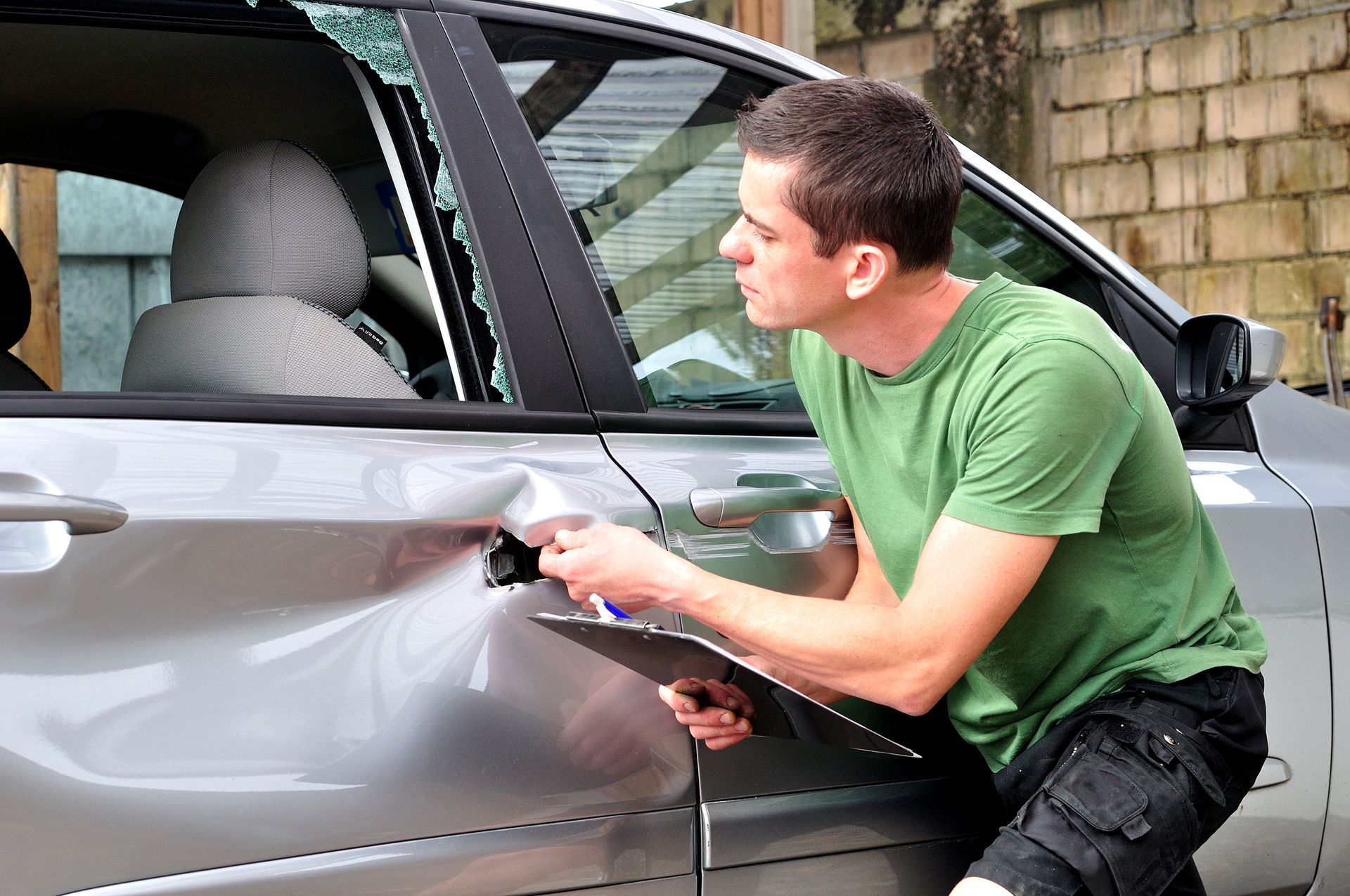
Collisions, even minor ones, can significantly impact the functionality of ADAS sensors. These sensors are often located on the exterior of the vehicle, where they are susceptible to damage from impacts. Physical damage to sensors can include cracks, misalignments, or complete detachment from the vehicle. Moreover, internal damage may occur as a result of vibrations and jolts, impacting their calibration and accuracy. Comprehensive inspections during professional auto collision repair are necessary to identify any hidden damage that could compromise sensor performance and, subsequently, vehicle safety.
Why Even Minor Collisions Can Disrupt Sensor Functionality
Even minor collisions can disrupt sensor functionality due to the precise nature of ADAS components. Sensors operate within tight parameters and rely on exact alignments to function correctly. A slight misalignment caused by a minor accident can result in inaccurate readings, leading to erroneous alerts or system failures. Moreover, internal circuits within these sensors can be jarred loose, impacting connectivity and data transmission. Therefore, comprehensive auto collision repair must include diagnostic evaluations to assess and rectify any subtle disruptions, ensuring complete system reliability.
Invisible Damages: How Collisions Affect Calibration
Collisions can cause invisible damage that affects the calibration of ADAS sensors. Internal components of these sensors are sensitive and susceptible to displacement or malfunction, even in low-impact collisions. Such damage might not be immediately visible, leading to potential safety risks if left unchecked. Certified facilities performing auto collision repair utilize specialized electronic tools to uncover these underlying issues. According to CCC, ADAS sensor calibration procedures were found on over 28% of repairable estimates in 2025, highlighting the growing recognition of their importance.
Sensor Misalignment: Causes and Consequences
Sensor misalignment can result from various causes, including physical impacts, poor installations, or structural shifts in the frame. Misaligned sensors can lead to false alarms, non-responsive systems, or operational malfunctions, each posing significant safety risks. For instance, a misaligned forward-facing camera may inaccurately interpret its field of vision, potentially missing obstacles or sending incorrect data to other systems. The importance of precise alignment cannot be overstated, as even small discrepancies can have drastic outcomes. Consequent failures resulting from misalignments underscore why thorough auto collision repair must account for full system recalibration.
Importance of Proper Calibration Post-Collision
Ensuring Accurate Sensor Readings for Safety
Proper calibration post-collision is essential to ensure accurate sensor readings, which are critical for safety. Sensors provide data for numerous ADAS features, and any discrepancies can compromise these systems' effectiveness. Calibration processes reassess and adjust each sensor, ensuring alignment and operational accuracy. By doing so, vehicles can deliver precise and timely feedback, aiding drivers in making informed decisions. Overall, accurate sensor readings are imperative to maintaining the integrity of ADAS technologies and enhancing road safety.
Restoring Full Functionality of ADAS Features
Restoring full functionality of ADAS features necessitates proper calibration following a collision. When sensors are damaged or misaligned, corresponding safety features may not operate as intended, potentially putting drivers at risk. Calibration is therefore a fundamental phase of modern auto collision repair, ensuring safety features re-engage seamlessly to deliver necessary alerts or interventions. Consequently, drivers can trust their ADAS systems, knowing they provide the intended safety advantages. Efficient restoration through accurate calibration processes maintains the efficacy of ADAS features, reaffirming their purpose of enhancing driver safety.
How Proper Calibration Prevents Further Accidents
By preventing inaccuracies and malfunctions within ADAS systems, proper calibration after collisions plays a significant role in preventing further accidents. Misaligned or impaired sensors may lead to incorrect readings or warnings, potentially prompting unsafe driver reactions. Calibration ensures all components operate optimally, maintaining the intended safety measures and interventions. When systems reliably function, they can effectively prevent collisions by alerting drivers to hazards or autonomously responding to threats. This proactive safety role is vital for reducing accident rates and maintaining automotive safety standards.
Industry Standards and Protocols for Calibration
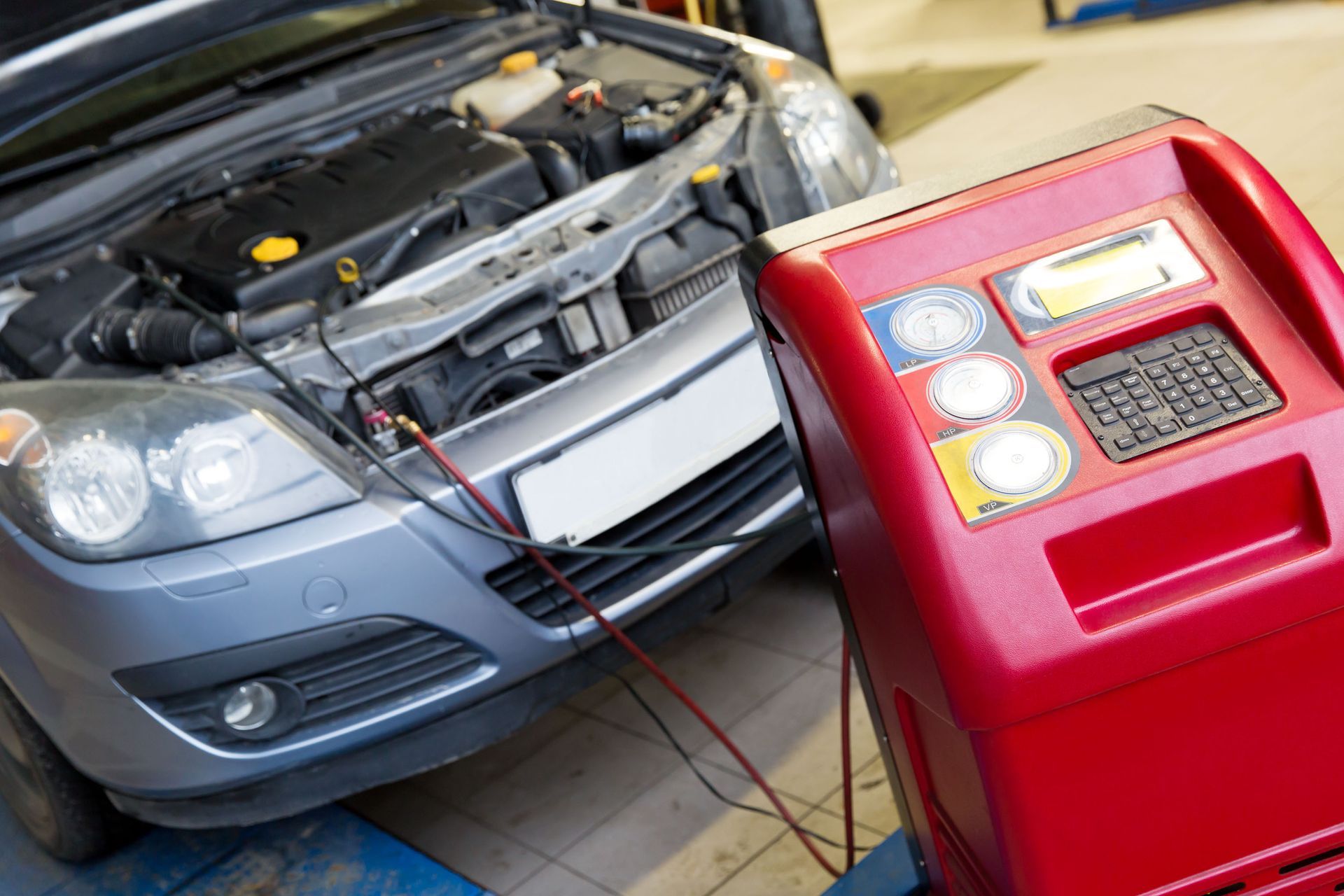
Industry standards and protocols for calibration post-collision dictate guidelines for ensuring ADAS features maintain optimum reliability. The automotive and auto collision repair industries have established comprehensive specifications outlining diagnostic, repair, and calibration procedures. Such guidelines standardize practices and guarantee consistency in service quality and safety outcomes. Technicians are required to follow these protocols, using specialized targets and software to achieve precise sensor alignment. Compliance with industry standards ensures vehicles’ safety systems function reliably, providing drivers with confidence in their enhanced safety features.
As vehicles continue to transform into sophisticated digital platforms on wheels, restoring a vehicle after an impact requires far more than repairing sheet metal and matching paint. Advanced Driver-Assistance Systems are engineered around tight millimeter tolerances; even an imperceptible shift in a bumper, bracket, or windshield mount can distort the field of view of forward cameras and radar units, compromising automatic braking, lane centering, and blind-spot monitoring. Prioritizing certified diagnostic scans, OEM-compliant recalibration protocols, and thorough post-repair verification guarantees that your vehicle leaves the facility not just looking brand-new, but performing with the full protective intelligence and structural safety designed by its manufacturer—contact the certified technicians at Lloyd's Collision & Paint Center today to schedule your comprehensive post-collision inspection and factory-precise ADAS calibration.


Share On: